


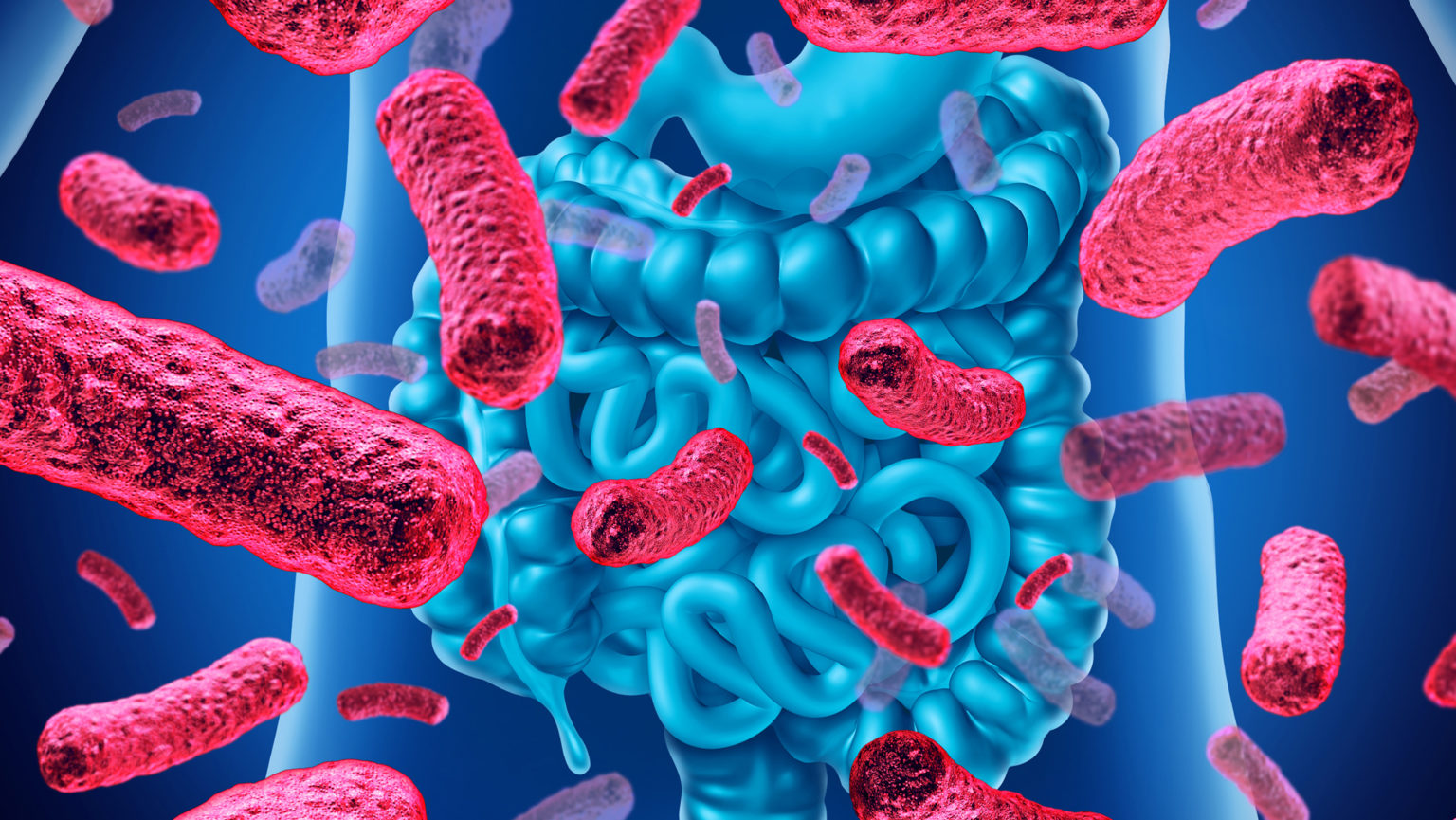
New research suggests that a molecule produced by gut microbes could play a role in fighting diabetes. Laboratory studies show that the microbial metabolite, known as TMA, can reduce inflammation, improve insulin sensitivity, and even protect against damage caused by high-fat diets.
Scientists say these findings point to a new approach in diabetes treatment. By targeting gut molecules like TMA, researchers may be able to develop therapies that improve blood sugar control and lower the risk of diabetes-related complications.
High-fat diets are a known contributor to insulin resistance, inflammation, and type 2 diabetes. The study found that TMA helps counteract these harmful effects, improving the body’s ability to process sugar and maintain metabolic health.
The research emphasizes the connection between gut microbiota and overall metabolic health. Molecules produced by gut bacteria can influence inflammation, energy use, and glucose regulation, suggesting that modifying gut activity may have therapeutic benefits.
Experts believe that TMA could serve as a model for developing new anti-diabetes therapies. While current treatments focus on controlling blood sugar or managing complications, targeting gut molecules may offer a more direct approach to improving insulin sensitivity.
The laboratory studies are still in early stages, and clinical trials will be needed to determine whether these effects translate to humans. However, the results provide promising evidence that gut microbiome research could lead to innovative diabetes treatments in the future.
Patients at risk of type 2 diabetes may benefit from therapies inspired by these findings. Reducing inflammation and improving insulin sensitivity could prevent the progression of diabetes and enhance long-term metabolic health.
Researchers continue to explore how gut-derived molecules like TMA can be harnessed safely and effectively. Future studies will focus on dosage, delivery methods, and potential interactions with diet and existing medications.
This discovery highlights the growing role of the gut microbiome in medical research. Understanding how microbial metabolites influence the body could open new pathways for treating metabolic disorders, including diabetes.
As scientists advance this research, TMA and similar gut molecules may become part of next-generation strategies to prevent and treat type 2 diabetes, offering hope to millions affected by the condition worldwide.
