


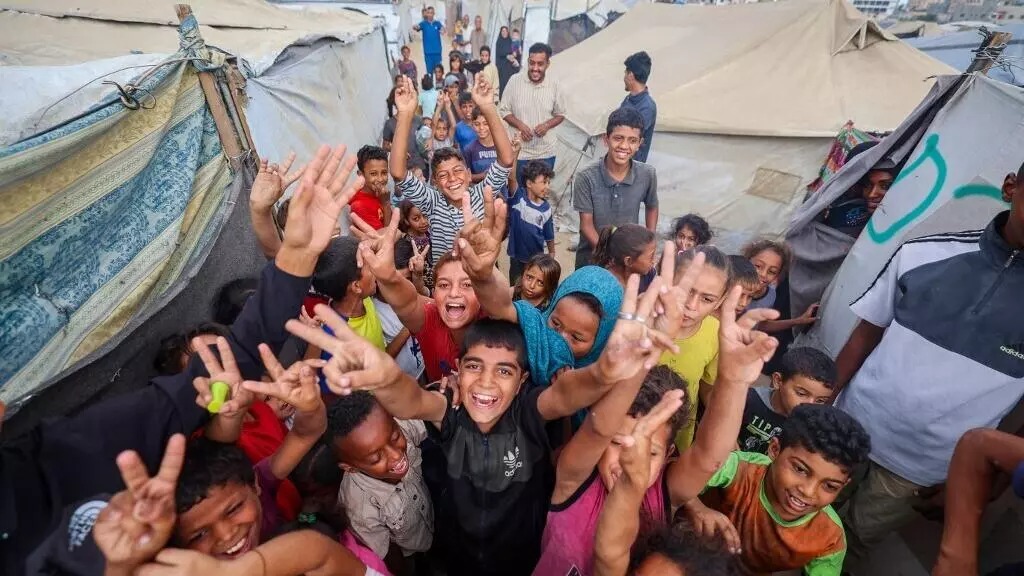
European foreign ministers gathered in Paris to discuss a major Gaza peace deal facilitated by U.S. President Donald Trump. The meeting focused on strategies to support the region’s post-war recovery and explore ways for Europe to contribute to rebuilding efforts.
The ministers emphasized the importance of international cooperation in restoring stability to Gaza. European officials expressed readiness to participate in humanitarian aid, infrastructure projects, and social programs to help communities affected by the conflict. The discussions highlighted the shared responsibility of the global community in supporting peace and recovery.
The peace deal, which aims to reduce tensions and provide a framework for rebuilding, has been welcomed by European leaders. Ministers noted that long-term recovery will require coordination between governments, NGOs, and international organizations. Europe’s role, they said, is crucial in providing both financial and technical support for reconstruction initiatives.
Officials also stressed the importance of ensuring that aid reaches those most in need. Humanitarian programs focusing on healthcare, education, and housing are expected to be prioritized. By working together, European nations aim to help Gaza recover more quickly and sustainably.
The Paris meeting also addressed political stability in the region. Ministers discussed ways to support governance structures and institutions in Gaza to maintain peace and prevent future conflict. Strengthening local leadership and promoting transparency in recovery efforts were highlighted as key goals.
Economic recovery was another central topic. Ministers explored opportunities for investment and development in Gaza to create jobs and improve living conditions. European countries expressed interest in partnering with local businesses and international organizations to support economic growth and social stability.
In addition to recovery efforts, the ministers discussed measures to ensure long-term security and prevent further escalation of conflicts. Collaboration between European nations, local authorities, and international partners was deemed essential to maintain peace and protect civilians.
European foreign ministers also acknowledged the humanitarian impact of the conflict on women, children, and vulnerable populations. They stressed the need for targeted programs that address health, education, and psychosocial support, ensuring that recovery efforts are inclusive and equitable.
The Paris meeting marked a significant step in Europe’s commitment to Gaza’s post-war reconstruction. By coordinating efforts, providing financial aid, and sharing expertise, European nations aim to play a pivotal role in stabilizing the region and supporting sustainable peace.
European officials called for continued dialogue with regional partners and the United States to monitor progress and adapt strategies as needed. Regular coordination, they noted, will be crucial to ensure that reconstruction efforts remain effective and responsive to local needs.
In conclusion, the European foreign ministers’ meeting in Paris underscores the continent’s active role in supporting the Gaza peace deal. With a focus on humanitarian aid, economic recovery, and political stability, Europe aims to contribute meaningfully to the region’s post-war reconstruction. Collaborative global efforts, officials emphasized, are essential for achieving lasting peace and rebuilding communities affected by the conflict.
