


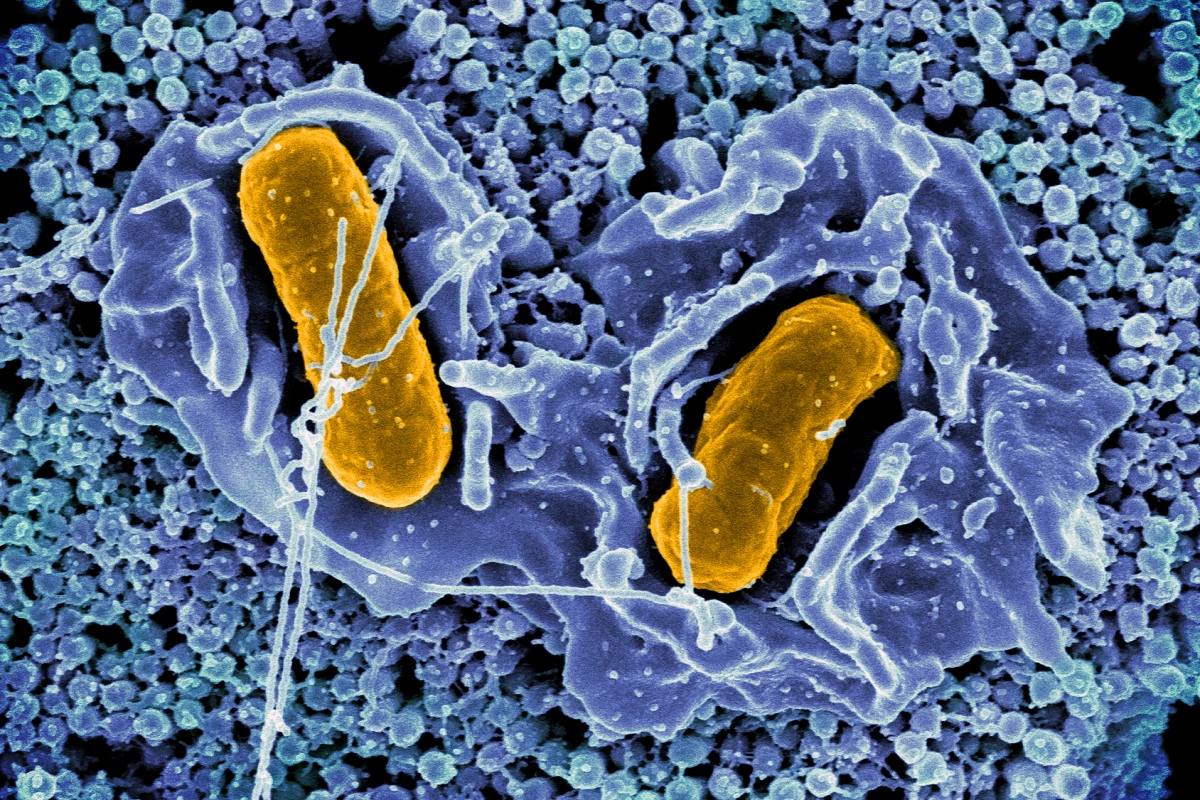
Researchers have engineered bacteria that can grow inside tumors and help destroy them from within. Early lab studies show this approach could become a new tool in cancer treatment, offering hope for patients with hard-to-treat tumors.
Bacteria cancer treatment research focuses on modifying harmless bacteria to selectively target tumor cells. Once inside, the bacteria consume cancer cells while sparing healthy tissue. This targeted approach may reduce side effects compared with traditional treatments like chemotherapy.
In laboratory experiments, engineered bacteria were injected into tumor samples. Scientists observed that the bacteria multiplied inside the tumors, breaking down cancer cells over time. Results suggest the method could slow tumor growth and, in some cases, shrink tumors significantly.
Experts say this strategy combines biology and engineering to create innovative therapies. Bacteria cancer treatment research could complement existing therapies, including surgery, chemotherapy, and immunotherapy, for more effective outcomes.
Dr. Michael Torres, a lead researcher, explained, “By engineering bacteria to survive and act inside tumors, we can attack cancer from within. Early results are promising and point to new directions in cancer therapy.”
The lab studies also highlight safety measures. Scientists carefully modify bacteria to prevent uncontrolled growth and ensure they only target tumor cells. These precautions are crucial before moving toward human trials.
Bacteria cancer treatment research offers several advantages. It allows precise targeting, reduces damage to healthy cells, and can stimulate the body’s immune system to recognize and fight tumors more effectively.
Researchers are optimistic but emphasize that clinical testing is needed. Animal studies and, eventually, human trials will determine whether the approach is safe and effective in patients. Timing, dosage, and bacterial strain selection are key factors for success.
This approach could be particularly valuable for tumors resistant to conventional therapy. Tumors that do not respond to chemotherapy or radiation may benefit from bacteria that actively consume cancer cells.
Scientists are also exploring combining engineered bacteria with immunotherapy. The bacteria could both destroy tumors directly and trigger an immune response to help the body attack remaining cancer cells.
While still in early stages, the research demonstrates the potential of synthetic biology in medicine. Using living organisms to fight disease represents a creative and targeted strategy for future cancer treatment.
Bacteria cancer treatment research may transform how oncologists approach therapy. If successful in humans, it could provide a safer, more precise alternative for patients with aggressive or hard-to-reach tumors.
The study underscores the importance of interdisciplinary collaboration. Biologists, engineers, and medical researchers work together to design bacteria that are both effective and safe.
As research progresses, engineered bacteria may become part of a growing toolkit for precision medicine. Combining this method with existing treatments could improve survival rates and quality of life for cancer patients.
This innovation marks an early but promising step toward a new era of cancer therapy. Lab results show that bacteria can target tumors effectively, offering hope for safer, more effective treatments in the future.
