


The Susan G. Komen 2026 breast cancer progress report shows significant improvements in the United States, with a notable reduction in deaths. Experts credit better screening, early detection, and advanced treatments for saving lives and improving patient outcomes.
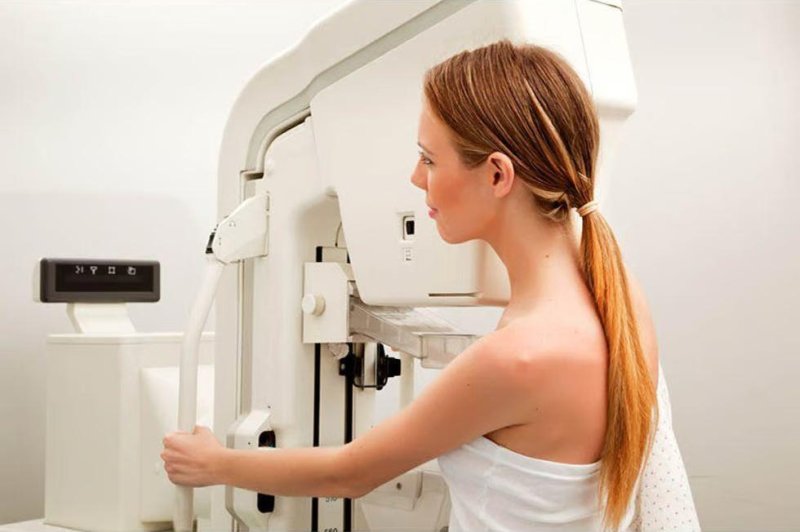
The report highlights that more women are accessing regular mammograms and follow-up care. These early detection measures allow doctors to identify cancer at stages when treatment is most effective, increasing survival rates.
Medical advancements in therapies and targeted treatments also play a key role in reducing mortality. Patients now have access to personalized care plans that improve recovery chances and quality of life.
Researchers say that public awareness campaigns and community outreach have contributed to more women getting screened and seeking medical advice promptly. Education about risk factors and self-check practices has also helped catch cancers earlier.
The report notes progress across all age groups and demographics, although disparities remain in certain regions and among underserved populations. Health officials are working to expand access to screening and treatment to ensure more equitable care.
Advocates emphasize that continued investment in research, early detection, and patient support is essential to maintain the positive trends. Innovative treatments and better health policies are expected to further lower death rates in the coming years.
Susan G. Komen representatives said the 2026 outlook demonstrates how far the U.S. has come in breast cancer care, while reminding the public that vigilance and routine medical care are critical.
Experts encourage women to schedule regular screenings, report unusual symptoms, and follow medical advice. The combination of early detection, advanced treatment, and public health efforts continues to transform breast cancer outcomes nationwide.
The report’s findings offer hope for patients and families and reinforce the importance of continued research and preventive care. U.S. breast cancer deaths are on a steady decline, marking a milestone in the fight against this disease.
