


Boxing has never been a flawless sport. Even during gripping bouts like Joseph Parker versus Fabio Wardley last Saturday, some viewers recoil from the brutality while others rage at controversial decisions. Each fan’s tolerance varies, but the violence represents only one of many complicated layers. Politics, pain, and corruption have long shaped the “sweet science,” often contradicting both its name and its promise.
Still, boxing continues to captivate. The Parker–Wardley clash, regardless of the disputed 11th-round stoppage, reignited passion among veterans and newcomers alike. Yet boxing always seems to offer brilliance with one hand and chaos with the other.
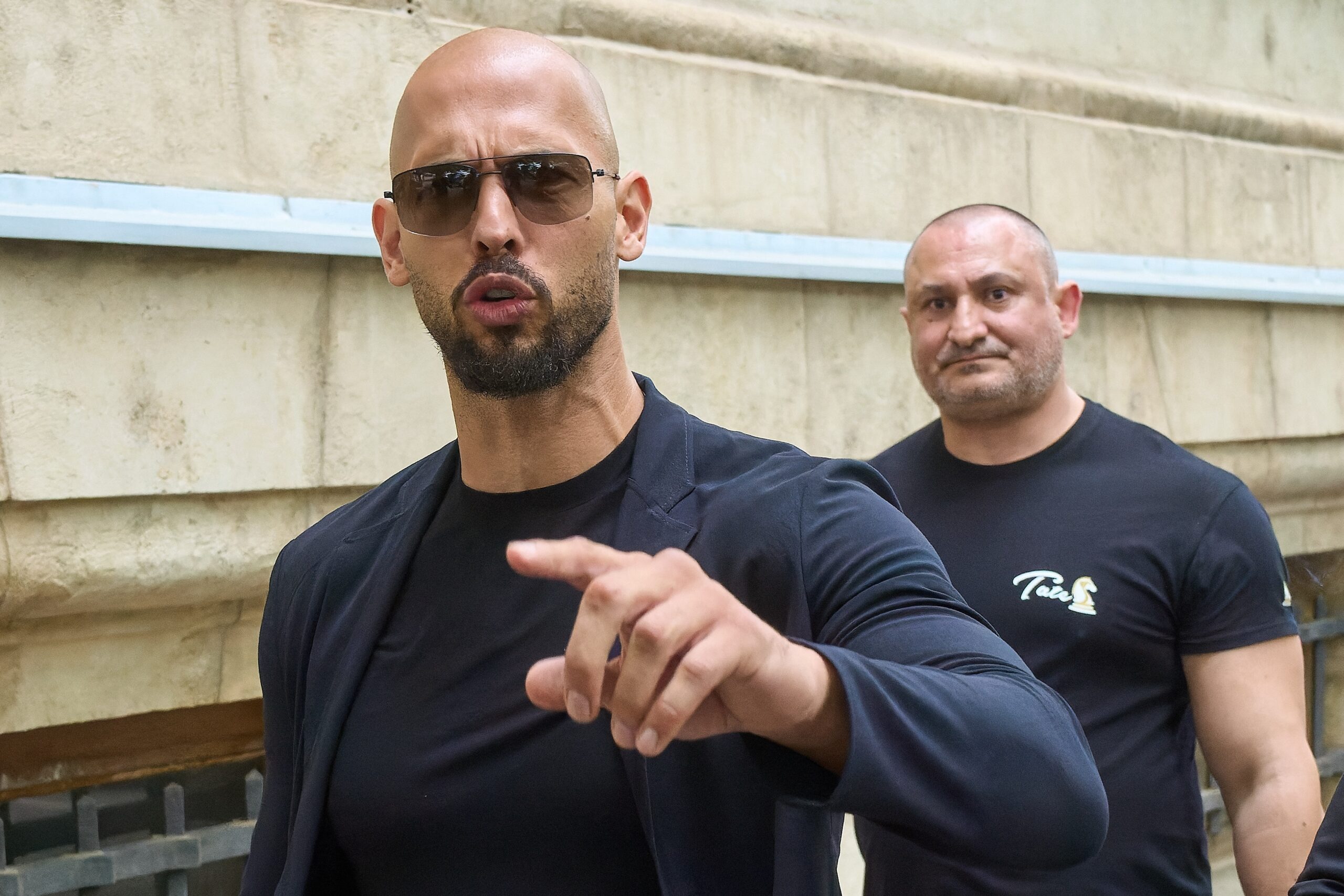
Thursday’s announcement underscored the chaos. Andrew Tate will debut as a boxer in December, facing TV personality Chase DeMoor in Dubai. Misfits Boxing, formerly led by YouTuber KSI, will host the event. Tate claims he replaced KSI as Misfits CEO, a statement that sparked furious denials from KSI on social media.
The Tate Controversy Unfolds
Andrew Tate, 38, once fought professionally as a kickboxer, earning 76 wins, 32 by knockout, against nine losses and one draw. He also competed in mixed martial arts. His upcoming bout marks his first official boxing match.
Tate gained notoriety as a social media influencer who flaunts wealth and promotes misogynistic views. Authorities have accused him of rape and human trafficking, allegations he strongly denies. His 37-year-old brother, Tristan, faces similar accusations and also denies wrongdoing.
In May, the UK Crown Prosecution Service filed 21 charges against the brothers. Prosecutors allege Andrew committed ten offences against three women, including rape, bodily harm, and trafficking. They accuse Tristan of eleven offences against one woman, covering similar crimes.
The CPS authorised these charges before requesting their extradition from Romania, where both men live under active investigation. Reports also suggest US authorities are examining their activities.
Profit, Power, and Boxing’s Decline
Many observers argue that Tate’s record and behaviour should bar him from boxing altogether. His misogyny, criminal accusations, and ongoing investigations make his presence in the sport deeply troubling. Yet boxing’s history tells another story. The sport has long promoted figures with criminal pasts, prioritising money over morality.
Audiences will still watch. Curiosity, outrage, and fandom guarantee profit. Tate stands to gain financially, not only through fight earnings but also through his alleged leadership role at Misfits.
“Welcome to your new CEO,” Tate declared in a video. “It wasn’t a hostile takeover, but it was planned. Mams [Taylor] and I will make Misfits the biggest force in sports entertainment. Since I’m the biggest name on the planet, owning part of the promotion makes perfect business sense.”
His statement reveals sharp business instincts but little moral awareness. If the fight proceeds, it will drag boxing’s reputation deeper into controversy. The sport, already burdened by scandal, risks losing what integrity it still possesses.
Adding to the turmoil, world champion Gervonta Davis now faces another lawsuit over alleged battery from an ex-girlfriend. Davis, scheduled to fight YouTuber Jake Paul on November 14, has not yet commented publicly.
Boxing’s current state feels like a desperate cry for help. How much longer can this sport endure before someone finally intervenes?
